


Before considering Testosterone Replacement Therapy (TRT), it is critical to address foundational lifestyle factors. Many men presenting with mild to moderate low T symptoms can significantly improve their Free Testosterone levels through targeted changes in diet, sleep, exercise, and strategic supplementation.
This guide outlines evidence-based, natural methods available to Canadian men seeking to optimize their hormones without prescription medication.
If lifestyle changes are insufficient, a diagnosis is required. Learn about the medical criteria and legal standing of prescription TRT: The Ultimate Canadian TRT Guide
No supplement can overcome a poor lifestyle. These three pillars directly impact the Hypothalamic-Pituitary-Gonadal (HPG) Axis, which regulates testosterone production.
Testosterone production is driven by the pituitary gland, which follows a circadian rhythm. The majority of daily T release occurs during the REM sleep cycle.
Drastic or low-fat diets can crash T levels because the body uses cholesterol as a precursor to synthesize all steroid hormones, including testosterone.
Dietary Focus | Rationale | Actionable Tip |
Healthy Fats | Crucial for T synthesis. Testosterone is a steroid hormone derived from cholesterol. | Ensure at least 20-30% of your daily calories come from monounsaturated and saturated fats (e.g., avocados, eggs, olive oil, red meat). |
Weight Loss | Excess adipose tissue (fat cells) increases the Aromatase enzyme, which converts testosterone into estrogen (E2). | A 10% reduction in body weight can significantly reduce E2 and improve Free Testosterone availability. |
Carbohydrate Timing | Maintaining healthy glucose levels prevents chronic insulin spikes, which inhibit the liver’s production of SHBG. | SHBG binds to T. Controlling insulin indirectly increases Free Testosterone. |
The right exercise is catabolic (breaks down muscle) but promotes an anabolic hormonal response (builds muscle and T).
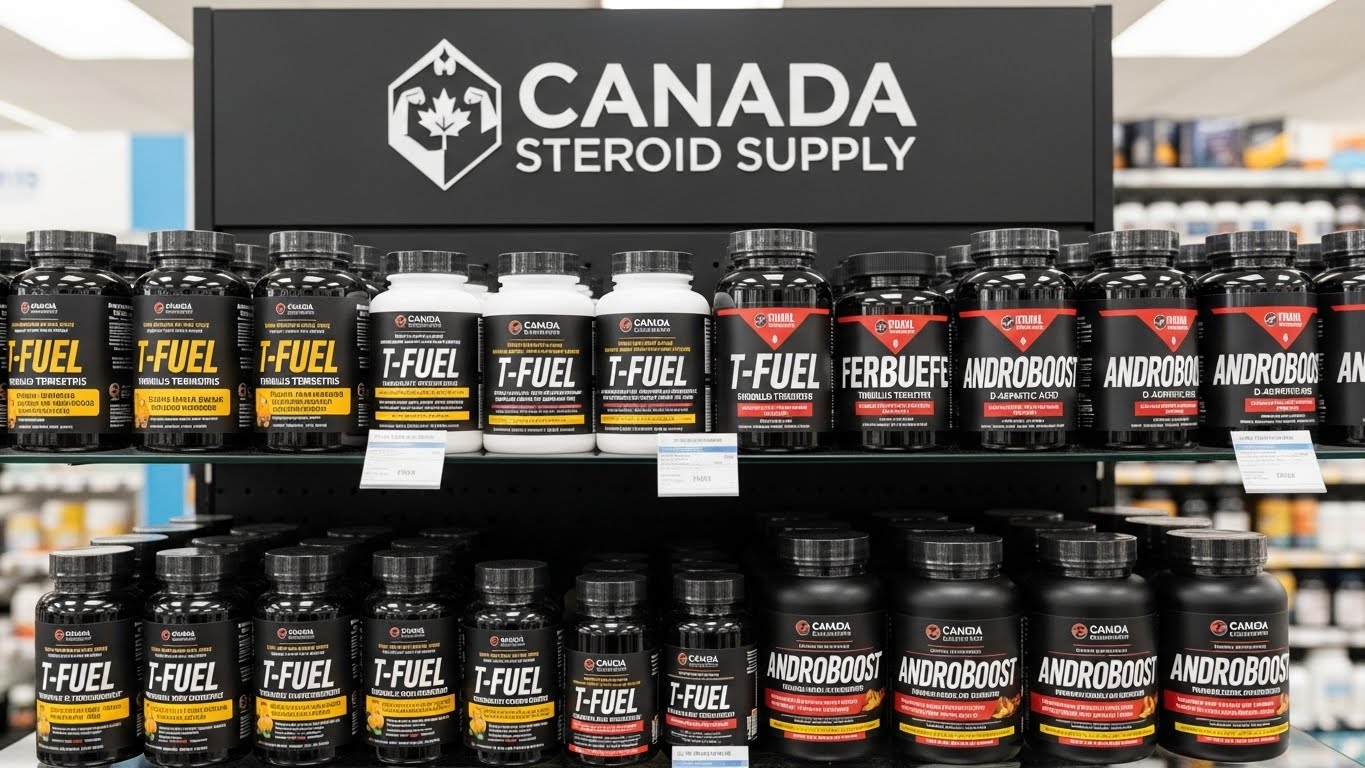
While the market is flooded with ineffective “boosters,” a few select vitamins, minerals, and compounds have clinical evidence supporting their use in deficient populations.
These are not “boosters” but essential components required for normal T production. If you are deficient, supplementing can lead to a significant recovery in your T levels.
Supplement | Evidence for T Increase | Action/Mechanism |
D-Aspartic Acid (DAA) | Shows promise, especially in men with low baseline T levels. Results are inconsistent in men with healthy baseline levels. | May stimulate GnRH and LH release, boosting T production in the testes. |
Ashwagandha | Significant data supports its use in reducing stress-related suppression of T. | Primarily works by lowering the stress hormone Cortisol, which then reduces the inhibitory signal on the HPG axis. |
Fenugreek | Several studies show small but consistent increases in Free Testosterone and libido. | Contains furostanolic saponins that may inhibit 5-alpha reductase, potentially improving T availability. |
Natural methods are highly effective for correcting T levels that have been suppressed by lifestyle or mild deficiencies. However, they are ineffective for men with moderate to severe Hypogonadism caused by underlying medical conditions.
If you have optimized your diet, sleep, and exercise for 3-6 months and your Free Testosterone remains clinically low (e.g., <0.2 nmol/L), you should consult a doctor experienced in men’s hormonal health.
If your Total T is normal but you still have symptoms, you may have an SHBG issue. SHBG and Free Testosterone: Why Total T Isn’t the Full Picture